How a Braces Specialist Can Streamline Teeth Straightening
Straightening teeth is a life-changing decision for many, and a braces specialist can help find the fastest path to a beautiful, healthy smile. These dental specialists can help you explore various treatment options and tailor the approach to your or your child’s needs and goals. Understanding how a braces specialist approaches orthodontic treatment can make all the difference in achieving a straighter smile in the most efficient way.
Exploring braces options with the help of a braces specialist
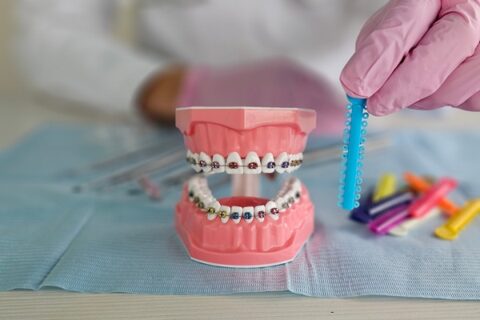
There are several types of braces available, each designed to meet different needs and preferences. Traditional metal braces are the most common and involve brackets and wires that gradually shift the teeth into their proper positions. Ceramic braces work similarly to metal braces but use clear or tooth-colored materials to blend in more discreetly with the natural teeth. Self-ligating braces, another option, use a specialized bracket design that reduces friction, requiring fewer visits for adjustments. Which one a braces specialist will recommend depends on factors such as the severity of misalignment, treatment goals, and personal preferences.
Tailoring orthodontic treatment to the patient
Each patient’s orthodontic treatment is customized based on their unique dental needs, health conditions, and desired treatment timeline. A braces specialist, also known as an orthodontist, will assess these factors carefully during the initial consultation to create a personalized plan. For some, achieving results quickly may be the priority, while others might be focused on minimizing the appearance of their braces.
The braces specialist will take into account how the teeth and jaw align, the degree of misalignment, and any other oral health issues that could influence treatment. Whether a patient’s primary concern is appearance, speed of treatment, or comfort, they work to adjust the treatment plan accordingly.
Jaw and oral health needs
When streamlining orthodontic treatment, the orthodontist will always consider the health of the jaw and mouth. Promptly addressing issues such as a misaligned jaw or bite is crucial to the best possible outcome. A braces specialist will thoroughly examine the patient's bite and jaw positioning to determine how these factors affect overall alignment.
Sometimes, treatments such as rubber bands or other appliances may be necessary in addition to traditional braces to adjust the jaw and facilitate proper alignment. Treating jaw health issues alongside teeth straightening ensures that the treatment is cosmetically effective and improves long-term oral health and function.
Patient preferences
While the ultimate goal is a beautiful, aligned smile, patient preferences also play a key role in how a braces treatment is approached. While some may prefer a more discreet form of treatment, such as ceramic braces, others may prioritize a quicker solution. Braces specialists take these preferences into account when creating a customized plan.
Other factors that braces specialists consider when streamlining treatment include the patient’s lifestyle, comfort with wearing braces, and the need for frequent adjustments. Aligning the treatment approach with the patient's preferences allows the braces specialist to develop an efficient and comfortable treatment plan.
Discuss your options in an appointment
The first step toward a straighter smile is to consult a braces specialist or orthodontist. Reach out to our team at Mile Square Orthodontics today for a consultation. We can help you choose a braces type according to your smile, goals, and desired treatment timeline.
Request an appointment online or call Mile Square Orthodontics at (201) 537-3535 for an appointment in our Hoboken office.
Check out what others are saying about our services on Yelp: Braces Specialist in Hoboken, NJ.
Related Posts
You can enjoy Halloween with braces. Choose soft, plain chocolate and treats that melt easily, and skip anything hard, sticky, chewy, or crunchy, like caramels, taffy, gummies, hard candy, gum, and popcorn. Brush soon after, and call us if a bracket loosens.October is a big month for orthodontic patients. The American Association of Orthodontists marks…
Ceramic and metal braces move teeth the same way, with brackets and a wire. The difference is appearance and durability. Ceramic braces use tooth-colored brackets that are harder to notice, while metal braces are stronger and often the better fit for severe or complex cases. The right choice depends on your bite, goals and lifestyle.…
Yes, you can play sports with braces. Low-contact activities like running, swimming and dancing are safe at every stage of treatment. For contact sports and sports involving a ball, wear a mouthguard designed to fit around braces. It protects the teeth, lips and cheeks, and keeps brackets and wires from breaking or bending. Fall is…
Going back to school with braces goes smoothly with a little planning. Pack a small care kit, choose a braces-friendly lunch, brush or rinse after eating, and keep orthodontic wax handy for anything that rubs. If a bracket or wire comes loose during the day, save the piece and call us. A new school year…