Are Retainers Really Necessary After Orthodontic Treatment?
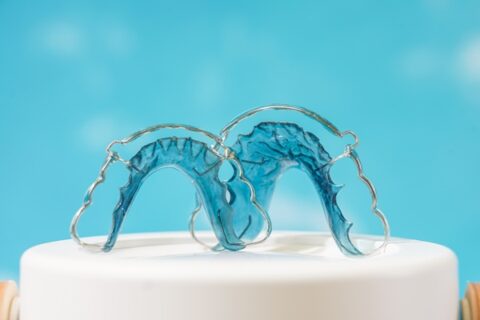
Generally, a retainer is the last vital stage of orthodontic treatment. The appliance, made from metal and plastic, is personalized for each patient to fit perfectly into the wearer’s mouth. After braces or other orthodontic devices have corrected the alignment of the teeth, the retainer functions to stop them from shifting back to their previous positions. If you are due to have your braces removed, it would be helpful to learn about this device, especially the important role it serves in orthodontic treatment.
What to know about retainers
Types of retainers
Retainers can be permanent or removable. Removable retainers can be taken out when eating and have to be worn for at least a year after the braces are taken off. The permanent or fixed retainers are bonded almost permanently to the teeth and can only be removed by an orthodontist. This type usually has to be worn for several years.
The importance of retainers
Retainers serve the role of aligning the gum and bone tissues with the corrected dentition achieved with braces. This process can take much longer to finish than the process of aligning the bite itself. In some cases, it could take several months or years for the gum and bone tissues to fully stabilize in their current position.
With a corrected bite, the teeth can shift gradually every day. Although the teeth’s ability to move is the reason orthodontic treatment works, it can also reverse the corrections made by the orthodontic appliance. The orthodontist will determine precisely when and how long the patient will need retainers, but in most situations, they will need to wear them constantly between meals and while sleeping for a minimum of one month after teeth alignment is complete. The only way to ensure the patient's smile stays aligned and stable is by faithfully wearing retainers.
Additional benefits of wearing a retainer
Aside from keeping the teeth straight, wearing a retainer has other unique benefits. An aligned bite makes the teeth fully functional for speech and eating. Also, diabetic patients can prevent oral issues by wearing a retainer to keep their teeth straight. Crooked or misaligned teeth tend to develop cavities and decay.
For most parents, the hardest part of orthodontic treatment is making sure that their child uses the retainers correctly and does not lose them in school or while playing. Parents can help them remember the appliance by storing it in a bright case when they are leaving for school. Also, storing the case in the same place can help make it a routine.
Oral hygiene during retainer therapy
A oral hygiene regimen must include maintaining retainers. When the patient is not wearing their removable retainer, they need to store it in a vinegar and water solution or denture cleaner. The retainers must be stored in a liquid because the plastic can crack if it becomes dry. If the patient has a removable device, they will need to keep up with their routine dental appointments to prevent plaque or decay from building up around the retainer.
Schedule an appointment at our Hoboken office
If you have braces or require orthodontic treatment, contact an orthodontist for a consultation. Remember, retainers are the only way to keep your teeth aligned after treatment, which means they are necessary after orthodontic correction. Schedule an appointment at our Hoboken office.
Request an appointment online or call Mile Square Orthodontics at (201) 537-3535 for an appointment in our Hoboken office.
Check out what others are saying about our services on Yelp: Retainer in Hoboken, NJ.
Related Posts
You can enjoy Halloween with braces. Choose soft, plain chocolate and treats that melt easily, and skip anything hard, sticky, chewy, or crunchy, like caramels, taffy, gummies, hard candy, gum, and popcorn. Brush soon after, and call us if a bracket loosens.October is a big month for orthodontic patients. The American Association of Orthodontists marks…
Ceramic and metal braces move teeth the same way, with brackets and a wire. The difference is appearance and durability. Ceramic braces use tooth-colored brackets that are harder to notice, while metal braces are stronger and often the better fit for severe or complex cases. The right choice depends on your bite, goals and lifestyle.…
Yes, you can play sports with braces. Low-contact activities like running, swimming and dancing are safe at every stage of treatment. For contact sports and sports involving a ball, wear a mouthguard designed to fit around braces. It protects the teeth, lips and cheeks, and keeps brackets and wires from breaking or bending. Fall is…
Going back to school with braces goes smoothly with a little planning. Pack a small care kit, choose a braces-friendly lunch, brush or rinse after eating, and keep orthodontic wax handy for anything that rubs. If a bracket or wire comes loose during the day, save the piece and call us. A new school year…