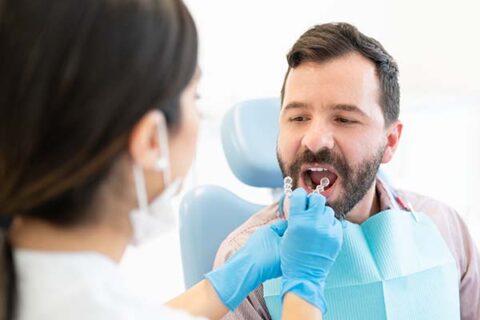
The orthodontist plays an important role in the teeth straightening process for patients. Their part consists of ensuring successful treatment, making necessary adjustments to the treatment plan, checking and detecting signs of oral health concerns, and helping with teeth straightening aftercare.
The role of the orthodontist during teeth straightening treatment
Teeth straightening is not as simple a process as it may seem. Without the help of an orthodontist, patients could run into certain roadblocks along the way that require professional orthodontic assistance. This review discusses the specific role that orthodontists play in teeth straightening treatment.
Ensure successful treatment
Teeth straightening treatment has certain complexities, and many things could go wrong. However, orthodontists are there every step of the way to ensure desirable and long-lasting results and to prevent any setbacks with the established treatment plan.
Tighten braces or provide new clear aligners
The purpose of regular visits with the orthodontist during teeth straightening treatment is to tighten braces or provide the patient with new clear aligners, depending on the type of teeth straightening treatment. This is necessary because, as teeth begin to shift into their proper position, the orthodontic devices must be switched out to continue the treatment appropriately.
Make necessary adjustments to the treatment plan
There are numerous possible setbacks that patients could face during teeth straightening treatment. An orthodontist can minimize the risk of setbacks by detecting concerns as early as possible and making the necessary adjustments to the treatment. Without monitoring from the orthodontist, many issues could otherwise go undetected and affect the timeline of teeth straightening or lead to less desirable results.
Detect any oral health concerns during treatment
Patients going through teeth straightening are often at a higher risk of developing oral health concerns. Bacteria and food particles can get trapped in the orthodontic devices (either clear aligners trays or braces) and increase the risk of teeth stains or damage to the teeth enamel. However, this is generally a slow process, and orthodontists can notice the early signs of oral health concerns and provide the necessary treatment to ensure that enamel is not harmed.
Ensure that teeth do not shift after teeth straightening treatment
One of the biggest concerns that orthodontists deal with is teeth shifting after teeth straightening treatment is complete. Since the jaw is malleable for a while after teeth shift from orthodontic treatment, there is a risk of teeth moving back to their original positions. An orthodontist can provide a retainer and monitor the aftercare process to help ensure that the results from treatment last for the long term.
Consult with our orthodontist about teeth straightening treatment
We encourage you to give us a phone call or send us a message if you are interested in braces, clear aligners, or other forms of teeth straightening treatment. Our orthodontist and staff understand how to help patients through the treatment process to get effective and efficient results.
Request an appointment or call Mile Square Orthodontics at 201-537-3535 for an appointment in our Hoboken office.
Related Posts
You can enjoy Halloween with braces. Choose soft, plain chocolate and treats that melt easily, and skip anything hard, sticky, chewy, or crunchy, like caramels, taffy, gummies, hard candy, gum, and popcorn. Brush soon after, and call us if a bracket loosens.October is a big month for orthodontic patients. The American Association of Orthodontists marks…
Ceramic and metal braces move teeth the same way, with brackets and a wire. The difference is appearance and durability. Ceramic braces use tooth-colored brackets that are harder to notice, while metal braces are stronger and often the better fit for severe or complex cases. The right choice depends on your bite, goals and lifestyle.…
Yes, you can play sports with braces. Low-contact activities like running, swimming and dancing are safe at every stage of treatment. For contact sports and sports involving a ball, wear a mouthguard designed to fit around braces. It protects the teeth, lips and cheeks, and keeps brackets and wires from breaking or bending. Fall is…