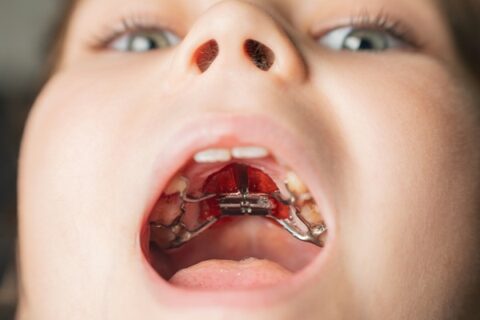
How Palate Expanders Work
A palate expander is a specialized orthodontic device used to widen the upper jaw, creating more space in the mouth and improving overall bite alignment. By gradually separating the two halves of the palate, this device helps guide proper facial and dental development, especially in children and adolescents whose bones are still growing.
Why palatal expansion may be needed
Palatal expansion becomes necessary when the upper jaw is too narrow to accommodate the lower jaw or when there is significant crowding of the teeth. A narrow upper arch can also lead to crossbites, breathing difficulties, and speech issues. By increasing the width of the upper jaw, a palate expander helps ensure proper alignment and function of the teeth and jaws.
How the device works
The device itself typically consists of two halves that are attached to the upper molars and connected in the center by a screw mechanism. Each day, the patient or caregiver turns the screw slightly using a special key, which gradually pushes the halves of the jaw apart. As the device expands, new bone fills in the gap, making the expansion permanent over time. The process is usually painless, although some mild pressure or discomfort may be experienced during activation.
Who benefits most from a palate expander
A palate expander is most effective in patients under the age of 16, as the bones in the upper jaw are still pliable and not yet fully fused. However, adult patients may also benefit from expansion when combined with other orthodontic or surgical interventions. While treatment duration varies depending on the degree of expansion, it typically lasts from several weeks to a few months.
Benefits of palatal expansion
Palatal expansion provides both immediate and long-term benefits, supporting healthier oral development and improved function.
- Improved alignment of the upper and lower teeth
- Reduced crowding and need for tooth extractions
- Enhanced nasal airflow and breathing
- Prevention of impacted teeth
In some cases, a palate expander may be the first phase of a comprehensive orthodontic treatment plan. After achieving the desired expansion and stabilizing the jaw, braces or clear aligners can straighten the teeth further and refine the bite.
Care and maintenance
It is important to follow care instructions closely during treatment. The device must be kept clean to avoid plaque buildup and irritation of the soft tissues. Regular checkups allow the orthodontist to monitor progress and make necessary adjustments. Eating softer foods and avoiding sticky or hard items can also help prevent damage to the expander.
Creating a foundation for a healthy smile
The use of a palate expander plays a critical role in guiding proper dental and facial development. It not only improves function and comfort but also contributes to long-term oral health. Early evaluation by an orthodontist can determine whether palatal expansion is appropriate and when to begin treatment.
By correcting structural imbalances in the jaw, a palate expander creates a foundation for a healthier and more stable smile. This proactive approach often minimizes the need for more invasive procedures later and supports both aesthetic and functional outcomes. For more information or to schedule a consultation, call Mile Square Orthodontics at (201) 537-3535.
To schedule a consultation, request an appointment on our website or call Mile Square Orthodontics at (201) 537-3535 for an appointment in our Hoboken office.
Check out what others are saying about our services on Yelp: Palate Expander in Hoboken, NJ.
Related Posts
You can enjoy Halloween with braces. Choose soft, plain chocolate and treats that melt easily, and skip anything hard, sticky, chewy, or crunchy, like caramels, taffy, gummies, hard candy, gum, and popcorn. Brush soon after, and call us if a bracket loosens.October is a big month for orthodontic patients. The American Association of Orthodontists marks…
Ceramic and metal braces move teeth the same way, with brackets and a wire. The difference is appearance and durability. Ceramic braces use tooth-colored brackets that are harder to notice, while metal braces are stronger and often the better fit for severe or complex cases. The right choice depends on your bite, goals and lifestyle.…
Yes, you can play sports with braces. Low-contact activities like running, swimming and dancing are safe at every stage of treatment. For contact sports and sports involving a ball, wear a mouthguard designed to fit around braces. It protects the teeth, lips and cheeks, and keeps brackets and wires from breaking or bending. Fall is…
Going back to school with braces goes smoothly with a little planning. Pack a small care kit, choose a braces-friendly lunch, brush or rinse after eating, and keep orthodontic wax handy for anything that rubs. If a bracket or wire comes loose during the day, save the piece and call us. A new school year…